

The 5052 aluminum sheet price is generally quoted either per metric ton (USD/MT) or per kilogram (USD/kg). These two units of measurement can be easily converted:
1 Metric Ton (MT) = 1,000 kg
Price per ton ÷ 1,000 = Price per kilogram
Price per kilogram × 1,000 = Price per ton
For example, if a batch of 5052 aluminum sheets is quoted at X USD/MT, the equivalent unit price is X ÷ 1000 USD/kg. In actual transactions, suppliers may base the final settlement on net weight, theoretical weight, or actual weighed weight; this should be clearly specified in the contract.
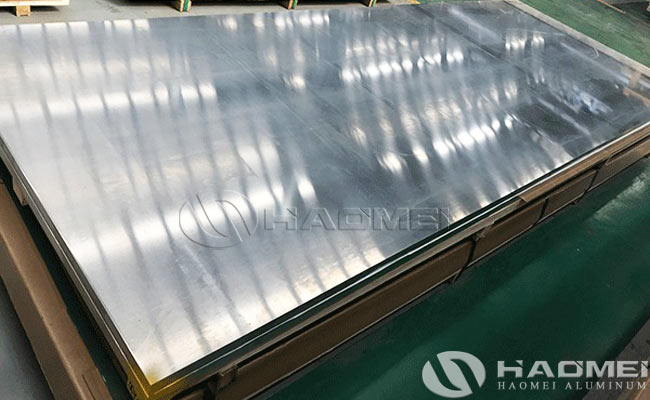
What Factors Determine The 5052 Aluminum Sheet Price?
5052 is a typical Al-Mg (aluminum-magnesium) alloy, containing approximately 2.2%–2.8% magnesium. It offers excellent corrosion resistance, good weldability, and moderate strength. Its price is generally composed of the following elements:
Base price of aluminum ingots + 5052 alloy premium (added value) + rolling/processing fees + surcharges for surface finish and dimensions + packaging and logistics costs. The base price for aluminum ingots is typically linked to benchmarks such as the LME (London Metal Exchange), the SHFE (Shanghai Futures Exchange), or another mutually agreed-upon pricing reference. Compared to pure aluminum grades like 1050 or 1060, 5052 aluminum sheet—which contains magnesium—incurs higher raw material costs and requires more stringent production controls. Prices also fluctuate based on market aluminum rates and the costs of raw materials, such as magnesium.
Key Factors Influencing Price (per Ton or per Kilogram)
1. Thickness, Width, and Length
Thinner aluminum sheets often require additional cold-rolling, annealing, and finishing processes, which can lead to higher processing fees. Furthermore, extra-wide or extra-long aluminum sheets, as well as those requiring strict dimensional tolerances, may result in greater production waste and increased processing costs. Pricing structures vary depending on the specific thickness (e.g., 0.5 mm, 1.0 mm, 2.0 mm, 3.0 mm, 4.0 mm, or 5.0 mm).
2. Temper (Material Condition)
5052 aluminum sheet is available in various tempers, such as O, H32, H34, H36, H38, and H112. Each temper involves specific work-hardening or stabilization treatments, which affect mechanical properties, processing complexity, and, consequently, the price. The appropriate temper should be selected based on the end-use requirements—such as bending, stamping, welding, or structural applications (e.g., in shipbuilding).
3. Product Form and Surface Requirements
5052 aluminum is available in forms including sheets, coils, tread plates, brushed sheets, mirror-finish sheets, film-coated sheets, or material intended for anodizing. There is a significant price difference between standard "mill finish" products and those that are film-coated, brushed, polished, embossed, or color-coated. Additionally, stringent requirements regarding surface scratches, color consistency, flatness, and edge quality will influence the quoted price.
4. Order Quantity and Trade Terms
Small-batch orders or orders containing a mix of specifications typically carry a higher unit cost. Conversely, purchasing in full coils, full container loads, or consistent, large-volume batches helps optimize production and packaging costs. Trade terms—such as FOB, CIF, CFR, or DDP—entail different cost structures; factors like ocean freight, insurance, port charges, customs clearance at the destination, and inland transportation can all impact the final landed cost.
How to obtain an accurate quote for 5052 aluminum sheets?
When requesting a quote, it is recommended to provide the following details: alloy (5052), temper, dimensions (thickness × width × length), quantity, surface finish requirements, applicable standards, intended application, packaging specifications, and the port of destination. For example: 5052-H32, 2.0 × 1250 × 2500 mm, mill finish, 20 MT, FOB Qingdao.
If the material is intended for use in shipbuilding, tanker trucks, pressure vessels, or marine environments, please specify whether compliance with standards such as ASTM B209, EN 485, or ASTM B928 is required. Additionally, indicate if there is a need for ultrasonic testing, third-party inspection, or specific corrosion resistance requirements.
Haomei Aluminum can provide quotes based on either tonnage or kilograms—depending on the 5052 aluminum sheet specifications, temper, order weight, and trade terms—and can assist in determining the optimal material solution for your specific application, as well as the appropriate export packaging.
About Us
| News
| Products
| Download
| Contact Us
Haomei Aluminum is a large-scale listed company in China, which is engaged in the processing of aluminum sheet, aluminum coil, aluminum strip, aluminum circle and aluminum foil. With an annual capacity of 200,000 tons, Haomei Aluminum provides varieties of aluminum products to more than 30 countries in the world.
Address: No.14 Waihuan Road, New district, Zhengzhou, China.


